The Antidote to Anxiety: Why Creativity Is a Friendly Gift from Joy
We tell restless people to go find a hobby, then watch them scroll social media comparing their lives to everyone else’s highlight reels. You don’t need to shop for someone else’s lifestyle. You need to understand the relationship between your attention, your agency, and joy.


There is a deceptively simple observation that cuts straight through the endless digital noise of modern life:
Creativity is the opposite of anxiety.
It sounds remarkably simple, but the moment you sit with it, you realise just how much ground it covers.
Anxiety is an experience that touches every single human life. You do not need a formal diagnosis to understand its weight. Whether you are navigating the subtle hum of restlessness in your own body, feeling overwhelmed by racing thoughts, or watching someone you love struggle to stay anchored, we all experience the sensation of the world suddenly feeling like too much.
When someone is in that state, well-meaning friends or family often offer a standard piece of advice:
"You just need to find a hobby."
It is said with genuine kindness, but in the modern world, it almost always backfires.
Telling someone with a restless, overstimulated mind to go "find a hobby" usually sends them straight back to their screen. They open an app and spend the next two hours scrolling through the curated lives of complete strangers, watching people build furniture, run ultra-marathons, bake sourdough, or paint studio portraits.
Instead of calming their nervous system, they have simply imported another layer of comparison. They haven’t found rest; they’ve just started shopping for someone else's lifestyle.
The problem isn't that you lack interests. The problem is that chasing what everyone else is doing pulls you further away from your own agency.
Sometimes, less is more. As I wrote in The Architecture of Less: Why True Mindfulness Is an Act of Elimination, real clarity never comes from constantly adding new obligations to your mental plate. It begins when you have the courage to stop, eliminate the noise, and look at what is sitting right in front of you.
You do not need to mimic someone else’s life to feel at peace. You simply need to understand what creativity actually is, what happens to your mind when you create, and why making something you enjoy is the most reliable antidote to feeling overwhelmed.
What Is the Relationship Between Creativity and Anxiety?
Creativity and anxiety share the exact same cognitive engine: human imagination. Anxiety occurs when imagination turns inward, projecting worst-case futures under the weight of external noise and a perceived loss of control. Creativity is that same energy directed outward into present-moment agency, replacing passive dread with active curiosity and joy.
When Someone Flicks the Switch
Have you ever experienced those moments where your mind suddenly feels silent, grey, and entirely uninspired?
It feels as though someone has walked into the room of your mind and simply flicked off a switch.
Looking back across my own life, whenever that creative spark has felt dulled or inactive, it was never because I ran out of ideas or lost my natural curiosity. In almost every single instance, it happened because I allowed external factors to consume my thoughts.
When external demands, unsolicited opinions, and circumstances far beyond your direct influence dominate your attention, you inevitably begin to feel a loss of control. And biologically, that perceived lack of control is the exact fertile ground where anxiety takes root.
As I explored in The Weather Within: A Philosophical Guide to Understanding Anxiety, anxiety is not a personal failure; it is an internal climate. But when that weather turns stormy, it consumes all your cognitive bandwidth. You cannot effectively imagine what to build, explore, or create when your nervous system is convinced it needs to defend itself right now.
Logic and Creativity in Motion
When that anxiety clears, something entirely different happens.
The shift is immediate, and you can feel it in your body. When you step out from under external noise and regain your agency, your mind doesn't just relax; it activates.
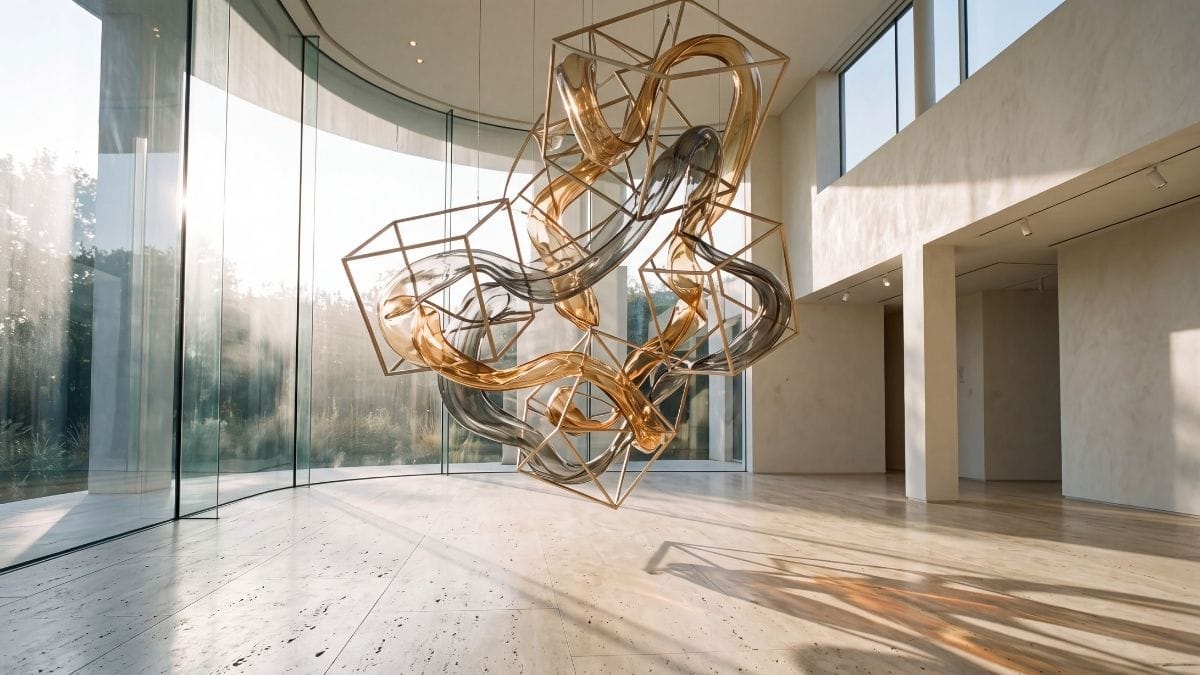
In that state, logic and creativity stop fighting for dominance. Instead, they begin to spin around one another like a constant, moving pattern of energy that you can physically feel.
Logic provides the structure, the clarity, and the discernment. Creativity brings the curiosity, the colour, and the appetite for exploration. They are not opposing forces at war with one another. When your nervous system is settled and unburdened by external overwhelm, they dance together—turning raw thought into deliberate, joyful momentum.
The Anatomy of Creative Paralysis (And Why I Never Get Bored)
I write thousands of words every single week, and I thoroughly enjoy it.
To me, writing is a constant exploration of thoughts, ideas, and observations. It directly challenges my own thinking. In the same way that performing high volumes of physical repetitions—completing over 500,000 pull-ups across my training—works out my body, sitting down to create from a vast archive of resources works out my mind.
I genuinely get excited when I sit down to work on a select piece of writing. But it wasn't always this straightforward.
Staring Across the City
In the earlier days, I rarely knew where to start.
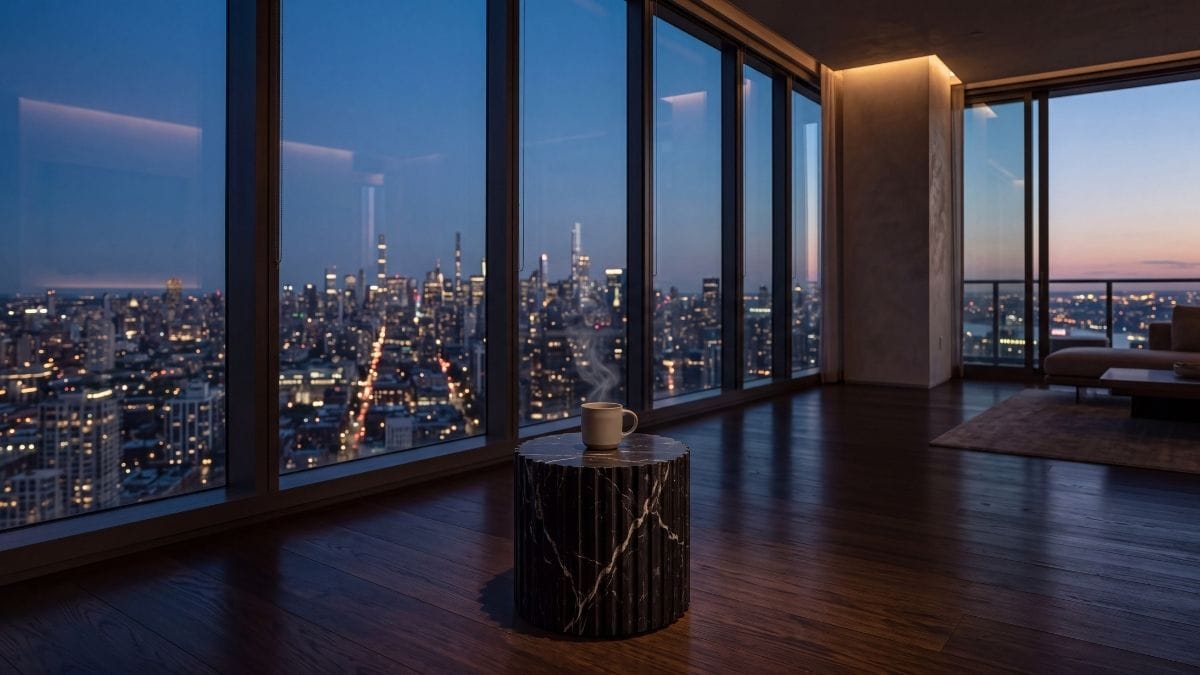
I would very often sit there with a warm drink in hand, staring comfortably out across the city, pondering my thoughts and simply letting whatever wanted to enter my mind arrive.
There were times when this approach worked wonderfully. But there were many more times when the exact opposite happened: I became completely overwhelmed by my own thoughts and creative ideas, to the point where I did absolutely nothing.
I over-analysed every thought that surfaced. I questioned which idea was best, where the exact starting point should be, and how it would all fit together. Without realising it, I had engineered my own creative paralysis.
I was getting directly in my own way.
I had an abundance of ideas, endless notes, and lots of subjects I wanted to explore, yet I couldn't even put a single sentence down on the page. When you have high mental horsepower, an abundance of ideas isn't always a gift—without a container, it quickly turns into a mental traffic jam.
Restlessness Wearing the Disguise of Boredom
This tension is why I have often said throughout my life that I have never been bored a single day.
People are often surprised when I say that, but it comes down to agency. If a film is boring, I turn it off; I have a choice. If a book isn't landing or engaging me, I can simply close it and pick up another. What feels dull to me might be deeply captivating to someone else, and vice versa. We always have the power to redirect our focus.
For curious, active minds, what society labels as "boredom" is almost never true apathy.
It is restlessness wearing a disguise.
As I shared in The Superpower Hidden in the Noise: How I Channel AuDHD for Ultra-Endurance and Focus, a high-performing or neurodivergent mind requires an outlet. When that engine doesn't have a deliberate, creative task to chew on, the gears don't simply stop spinning; they grind against each other.
That internal hum of frustration isn't because there is nothing to do. It is because you have creative energy built up in your system with nowhere meaningful to direct it.
Redefining What It Means to Create
One reason so many people struggle to find a creative outlet is that they disqualify themselves before they even begin.
We have been conditioned by modern culture to believe that "creativity" is a rare, mystical trait reserved exclusively for gallery painters, novelists, or musical virtuosos. We look at masterworks and think, Well, I can’t do that, so I must not be a creative person.
That is a complete misunderstanding of what creation actually is.
Creativity is not about producing a masterpiece for public critique. It is the simple, intentional act of bringing something into existence that was not there before—directing your attention through your own body, voice, or mind.
The Spectrum of Expression
True creativity has nothing to do with routine, mechanical tasks. I am not talking about typing out a standard corporate email, replying to messages, or ticking off a checklist. Those are administrative obligations.
I am talking about doing something that genuinely makes you feel alive.
The beauty of this is that the spectrum is limitless, and it looks entirely different for each person:
- For one person, it is dance, movement, or singing along to an album that changes their physical state.
- For another, it is making music, playing an instrument, or sitting in uninterrupted silence listening deeply to the layers of a composition.
- For someone else, it is creative writing—taking personal reflections, lived experience, and research, and weaving them into words that add genuine value to someone else's day.
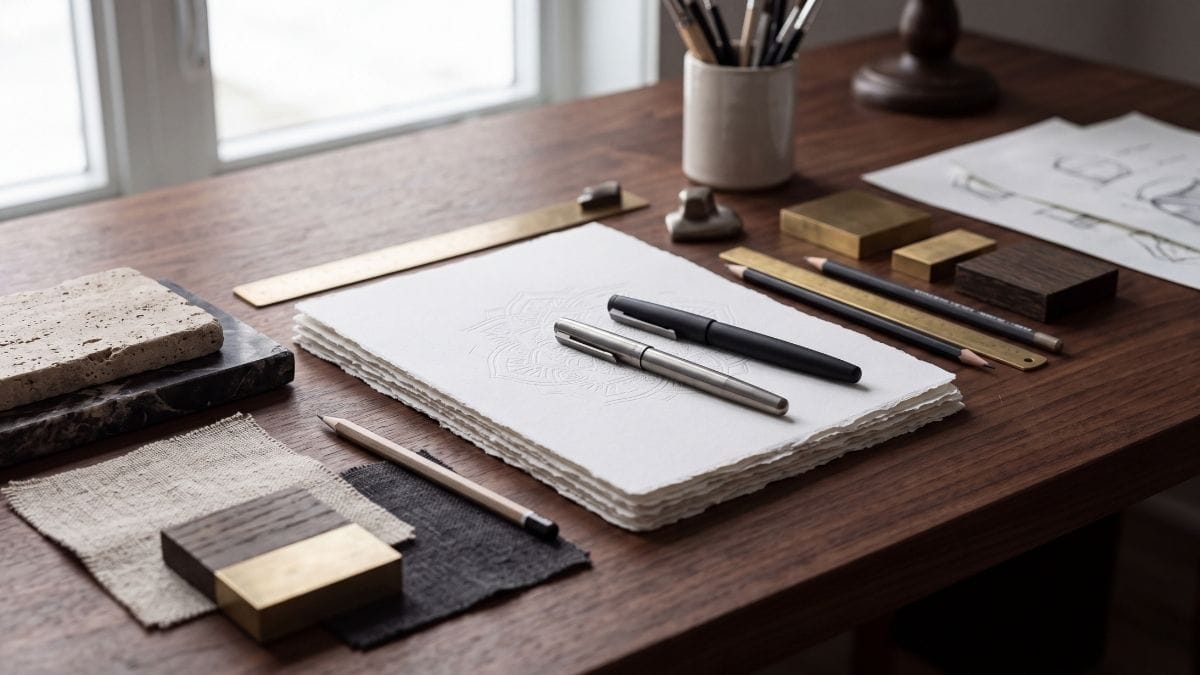
- And for many, it is the simple, tactile focus of picking up a pen or pencil to draw, sketch, or lose themselves in the meditative stillness of an intricate colouring book.
Notice what happens during an activity like colouring or sketching. You aren't performing for an audience. There is no algorithm to satisfy and no external judgement. You are simply sitting with shapes, lines, and colours, letting your hands engage with a physical page.
In that quiet focus, the mental chatter drops away. The racing thoughts about what happened yesterday or what might go wrong tomorrow lose their grip. Your nervous system down-regulates because your attention is entirely tethered to what is right in front of you.
You do not need to be an expert on day one. You simply need to give yourself permission to try new things. Pick up a pen, try a new medium, test an idea, and see how it genuinely feels to you. Give it enough time to make an honest decision before moving on. Don’t chase what someone else says you should do—find what illuminates your mind and sparks your curiosity.
Why the Creator Landscape Is Only Just Beginning
This personal need for self-expression is precisely why we will continue to see the creator landscape expand.
We are living through a massive technological shift. Modern tools and artificial intelligence are lowering the barrier to entry at a speed we have never seen before. Tasks that once required expensive technical equipment, specialised software, or years of gatekept knowledge are suddenly accessible to anyone with a curious mind and an internet connection.
Some people view this shift with apprehension, but I see something far more encouraging.
When the technical friction is removed, more people are given the opportunity to explore their own potential. An idea that once lived only as a quiet thought in the back of your mind can now be tested, shaped, and brought to life in an afternoon. You can write, design, publish, and share your perspective with people on the other side of the planet.
AI isn't here to replace human expression; it is clearing away the administrative weeds so you can discover what you are truly capable of.
The caveat, of course, is that the tool cannot give you the vision. If you use modern technology simply to churn out generic content or copy someone else's template, you will end up right back where you started: exhausted and disconnected.
The real power of this moment isn't about automating your work so you can consume more noise. It is about using these tools to lower the friction of starting, so you can build something authentic that belongs entirely to you.
The Waterfall of Ideas: How to Build a Process That Never Fails
I still remember the feeling of publishing my very first article on the internet.
It was a profound moment of creative freedom—putting my thoughts, observations, and lived experience out into the world with the simple intention of adding value to someone else's day.
Looking back, was it a literary masterpiece? Absolutely not. My style, my cadence, and my frameworks have evolved significantly over the years as I have written more and more. But it didn't need to be perfect; it simply needed to exist.
Publishing that first piece broke the seal. It proved to my nervous system that sharing an idea wouldn't break me. By continuing to write week after week, I compounded that learning, gradually turning a daunting white page into an endless field of creative possibility.
Grabbing One Thread from the Waterfall
When your mind is unburdened by anxiety and your natural curiosity kicks into gear, ideas don’t always arrive in a neat, orderly queue.
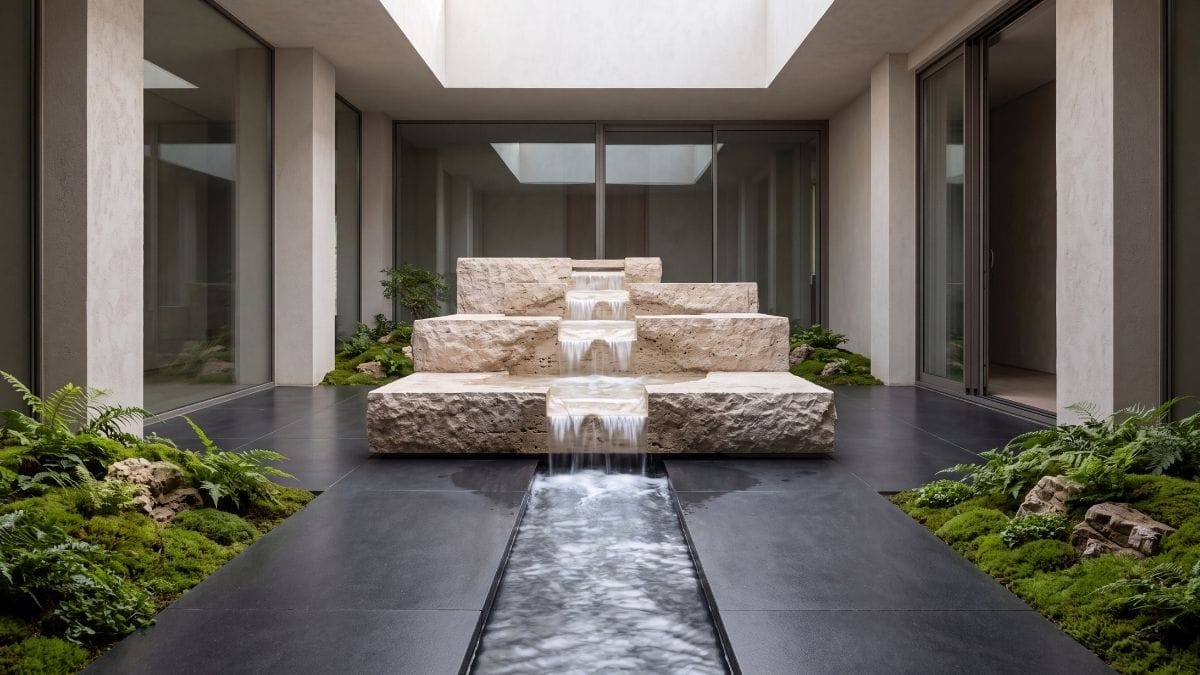
They arrive like a waterfall.
Thoughts, connections, and perspectives rush forward all at once. There are moments when the stream is so relentless that I have to scramble to grab my phone for a voice memo or type frantically in a notebook just to keep up. You have so much good material surfacing that you dread missing or forgetting any of it.
In the earlier days, that rush used to trigger panic. I was terrified of forgetting a brilliant insight, so I would try to catch the entire river in my bare hands. And of course, trying to hold onto lots of things all at once meant I dropped everything.
Over time, I discovered the practical secret to beating that overwhelm: stop worrying about what you might forget.
Trust that your mind is a renewable resource. When the waterfall of ideas is rushing past, you don't need to capture the entire torrent at once. You simply need to reach out, grab one thread, and commit to following where that single thought leads.
The rest of the river can keep flowing; it will still be there waiting for you tomorrow.
Compounding the Unseen Reps
To consistently turn that raw inspiration into finished work, you cannot rely on mood.
If you only create when inspiration strikes like lightning, your output will always remain fragile and inconsistent. What creates calm, reliable momentum is a repeatable system—a personal framework that allows you to step comfortably into flow no matter where you are or what kind of day you’ve had.
The system doesn’t need to be rigid or overly complex. It just needs to be tried, tested, and trusted.
As I explored in The Unseen Reps: Why True Mastery Takes Time (Especially in Fitness), true mastery is rarely built during moments of dramatic revelation. It is built in the quiet, unglamorous repetitions that nobody else ever sees.
You have to be willing to start messy. You have to make mistakes, see what works, and learn directly from your own lived experience. Each time you sit down to create, you compound that learning—refining your approach, improving your rhythm, and removing friction.
The goal isn't immediate perfection. The goal is simply to keep showing up, keep building, and let the quiet compounding do its work.
A Friendly Gift from Joy
There is an honest litmus test that sits at the very heart of this practice: genuine enjoyment.
If I did not find deep, authentic joy in writing, exploring ideas, and knowing that these words might add real value to someone’s day on the other side of the planet, I simply would not do it.
We often make the mistake of treating our habits like clinical prescriptions. We pick up an activity because someone told us it was "good for us," turning what should be an act of liberation into another exhausting item on a self-improvement checklist. But human beings are not machines. As I wrote in Why Does Enjoyment Matter in Fitness?, sustainable discipline is never built on joyless self-denial. It is built on choosing pursuits that make you smile from the inside out.
When you create something you enjoy doing, your relationship with anxiety undergoes an effortless shift.
To be completely clear, this is not about pathologising yourself as an "anxious person" who desperately needs to be cured or fixed. It is far simpler, and far more human, than that.
When you sit down to create something you genuinely enjoy, your attention naturally gathers in one place. You are focused on the task in front of you. And because you are immersed in something that lights up your curiosity, you are enjoying yourself.
And in that state of focused enjoyment, you are happy.
Your nervous system doesn't need to fight off phantom threats, because your mind is completely occupied by the act of creating something. You have handed the steering wheel back to your own agency.
Anxiety and joy are not exactly best friends, but one recognises the other. They cannot occupy the exact same square inch of your awareness at the exact same moment.
When you look back on your own journey, remember that you do not need to wait for the storm of external noise to completely subside before you begin. You simply need to pick up a single thread, give yourself permission to start messy, and make something that belongs to you.
Creativity is not an obligation you owe to the world. It is the natural antidote to anxiety—a friendly gift from joy.
Frequently Asked Questions (FAQs)
Why is creativity considered the antidote to anxiety?
Creativity and anxiety rely on the exact same cognitive engine: human imagination. Anxiety is what happens when imagination turns inward, projecting hypothetical worst-case scenarios driven by a perceived lack of control. Creativity takes that identical energy and directs it outward into present-moment agency. By bringing something into existence—whether through writing, movement, or tactile focus—you regulate your nervous system and replace passive dread with active, joyful curiosity.
What causes creative paralysis, and how do you stop overthinking ideas?
Creative paralysis is rarely caused by a shortage of ideas; it usually stems from having too many. When an active mind generates dozens of potential paths at once without a framework, the brain stalls trying to determine the single "best" place to start. The antidote is to treat your thoughts like a flowing river: release the fear of forgetting brilliant insights, reach into the stream, and commit to pulling out just one thread. Once you start with that single idea, momentum takes over.
How can I find a creative outlet if I don't consider myself a creative person?
You don't need to be a gallery painter, novelist, or musician to be creative. Creativity simply means making something that was not there before. Remove the pressure of public performance and explore low-friction, tactile mediums that illuminate your curiosity—such as journaling, moving to music, sketching, or colouring intricate pages. The only standard that matters is whether the practice brings you into the present moment and allows you to enjoy yourself.
The principles discussed are not a substitute for professional advice. Individual results from applying these concepts will vary, as your unique path, choices, and consistent efforts play the most significant role in your experiences. If you require guidance regarding specific personal, financial, medical, or mental health situations, please consult with a qualified professional. Please engage with these ideas responsibly, understanding that you are the architect of your choices and actions.