The Psychology of "What Else?": Mastering the Ultimate High-Performance Question
Two words separate the elite from the average: "What else?" It is the ultimate cognitive crowbar that wins grand slams and builds empires. But for the high performer, this relentless question is also a biological trap. Here is how to master the psychology of "What else?" and safely switch it off.


It is the fifth set on Centre Court at Wimbledon. The physical metrics of the two players are virtually identical. The forehand speeds match. The unforced errors are tied. The physical stamina has reached its absolute biological ceiling.
When the players sit down in the changeover chair, they have exactly sixty seconds of silence. In that suffocating isolation, the average player asks themselves a destructive question: "Why is this happening to me?"
The elite player asks themselves two entirely different words: "What else?"
"What else is my opponent doing with their backhand return? What else can I change about my ball toss? What else is available to me right now that I haven't yet utilised?"
In the arena of high performance—whether you are a professional athlete, an executive leading a team, or a creative sitting in isolation—"What else?" is the ultimate cognitive crowbar. It is the antagonist to the comfort zone. But it is also a highly volatile psychological tool. If you do not know how to switch this question off, it will quietly deplete your nervous system.
What is the "What Else?" Mindset?
The "What Else?" mindset is a strategic cognitive framework used to bypass psychological comfort zones. In high-performance psychology, asking "what else" forces the brain to move beyond immediate, obvious solutions and explore the unseen variables of continuous improvement.
The Cognitive Crowbar
When you are in a team meeting and all the obvious ideas are laid out on the table, the energy often flatlines. The group has reached the edge of their collective comfort zone.
At this exact moment, a skilled leader will lean in and ask a powerful coaching question: "What else?"
When delivered with the right tone—a curious, inspirational, and motivational cadence, rather than an irritable "Is that it?"—those two words are like salt to food. You can sprinkle them onto almost any situation to draw out the hidden flavour. It forces a team to zoom in, focus on the blocker, and keep pushing the boundaries into the unknown.
While "Tell me more" is a brilliant phrase for active listening and emotional expansion, "What else?" is an active antagonist. It refuses to let you settle. It leans heavily into the Japanese philosophy of Kaizen—continuous, incremental improvement. It forces you to look at a completed project, a finished design, or a personal best, and ask:
- "What else can I do to make this the best it can be?"
- "What else is there that I have not thought about that could improve efficiency?"
- "What else can be done to make this better than it already is?"
It is a beautiful, expansive place to operate from. It is the absolute core of the Bar Raiser Mindset. But as a late-diagnosed AuDHD high performer, I have learned the hard way that this beauty comes with a severe biological tax.
The Dark Side of the Deep-Thinking Brain
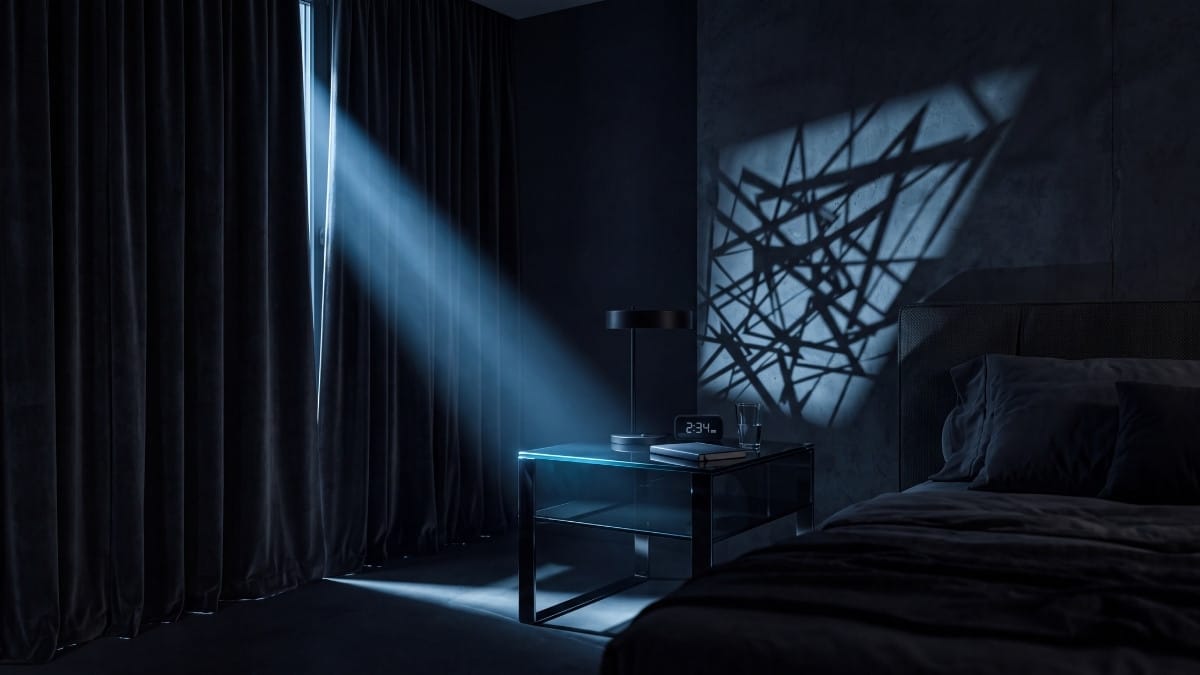
"What else?" is the internal dialogue that keeps me constantly refining my approach. But because it is so powerful, it is vital to know when to accept that a situation simply is what it is at that exact moment.
If I cannot flick the switch to "off mode," this question starts to hurt me.
The neurodivergent brain is like a high-performance supercar. "What else?" is a brick laid squarely on the accelerator. If I do not have a manual braking system, I will wake up at 3:00 AM, staring at the ceiling, thinking about variables. I can experience this hyper-arousal about projects I am deeply passionate about, and entirely mundane tasks that just need finishing.
Without a deliberate "off mode," I over-function mentally. My executive function burns out. I retreat entirely into my head, so no matter where I am physically standing in the world, I am trapped in my own internal landscape. I become extremely insular, endlessly searching for problems just so I can provide the solutions. I sit in the dark, visualising scenarios I want to happen, and bracing for scenarios I pray never do.
This alters my mood. It spikes my cortisol. It turns a philosophical advantage into an anxiety loop. Being mindful about when to power down is just as critical as knowing how to prepare to power up. You need triggers and boundaries for both.
Architecting the "On Mode": The Sensory Environment
To turn on my deep-thinking brain safely, I have to architect my environment. You cannot expect a brain to dive into the depths of complex problem-solving if it feels under threat or overstimulated.
To turn on, I need an environment conducive to safety. Not noisy. Not too many distractions. If I cannot physically change the environment, I must adapt it manually. I will put my noise-cancelling headphones on and play 'Pink Noise'—a specific frequency that acts as a sonic hug for my nervous system and helps me lock in. I will dim the lights or move to a space that is visually quiet, reducing the moving parts my eyes have to process.
Anything other than the task at hand is biologically categorised as a distraction.
There is a profound lesson here for leadership. You may be a leader wanting to extract exceptional, innovative work from a team of high-calibre talent. But if you do not provide an environment that is conducive to psychological safety and sensory comfort, how can you expect those wonderful humans to do their best work? How can you expect them to be curious, to be creative, to bravely step into the depths of "What else?"
Once you understand the basics of the human brain—and how we thrive in properly regulated environments—only then can you truly tap into your talent pool.
The Biological "Off Mode": The Mirror Protocol
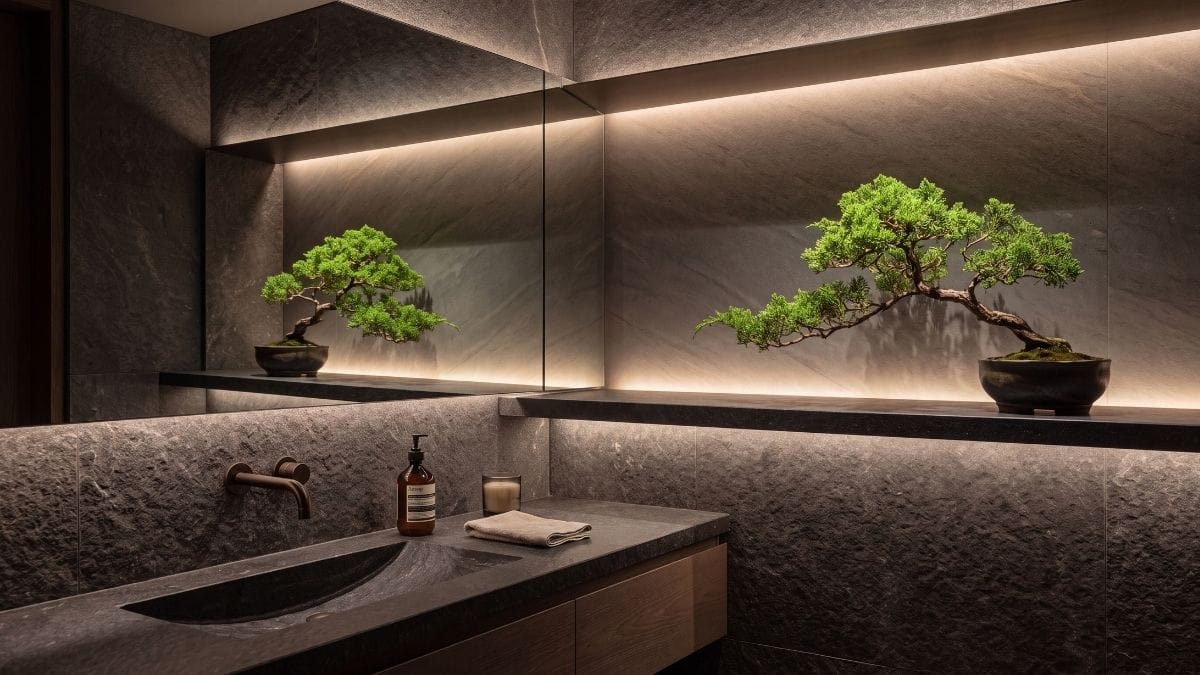
When the work is done, you must sever the cognitive loop. In the real world, there is always something else to do next. But you must learn to command moments of absolute finality, or you will never truly rest.
To switch off, I use a grounding protocol.
Stand in front of a mirror. Look directly into your own eyes—the physical manifestation of the person whose voice you hear inside your head all day. If you do not have a mirror, pull up the front-facing camera on your phone. Look at yourself, and speak these exact words aloud:
"There is nothing else you need to do. Nowhere else you need to be."
This one-liner grounds you immediately to the present moment. It is short enough to remember, yet concise enough that it does not require deep cognitive processing.
But words mean nothing without meaning, and philosophy means nothing without physiology. Therefore, you must pair this cognitive command with a somatic anchor.
Somatic Tracking & Cyclical Breath Anchoring
When the demands of the day are high, the breath instinctively becomes shallow. To seal the "off mode," we must physically settle the nervous system using the physiological sigh. This specific pattern rapidly offloads carbon dioxide and signals immediate, absolute safety to your biology.
Speak the phrase: "There is nothing else you need to do. Nowhere else you need to be."
Then, perform this breathing cycle:
- Take a deep breath in through your nose, drawing the air in until your lungs are nearly full.
- Immediately follow that with a second, shorter, sharper sip of air through your nose, filling your lungs completely.
- Let it all go with a long, slow, effortless exhale through your mouth, like you are blowing out a candle.
Repeat this entire sequence—the phrase, followed by the breath—three times with absolute purpose.
Taking one minute to perform this protocol is worth it. It is worth it to regulate your nervous system and reclaim your focus. If you have ever felt out of control, joyless, frustrated, overly excited, or trapped in the cycle of overthinking, this mind-and-body connection is the biological handbrake you require.
The Deep Rest: Clearing the Cognitive Cache
There are days when the "What else?" loop has run so hot, and for so long, that a one-minute breathing protocol is not enough to clear the attention residue. When your brain is chemically saturated and you are feeling completely overstimulated by your environment, you require a deeper intervention.
You cannot think your way out of sensory overload. You have to rest your way out of it.
This is why I rely on Non-Sleep Deep Rest (NSDR). Below is a bespoke, 30-minute visual and auditory sanctuary I designed specifically to unmask the nervous system and clear mental fatigue. When you need to forcefully transition from a state of hyper-arousal to profound stillness, step into this space.
The Ultimate Discipline
The pursuit of excellence is a beautiful, lifelong challenge. To look at the world, your career, and your own capabilities and constantly ask "What else?" is the hallmark of a Bar Raiser. It is the question that wins grand slams, builds empires, and solves the impossible.
But true mastery is not just the ability to push the ceiling higher. It is the discipline to know when you have pushed enough for one day. It is the quiet strength to look in the mirror, regulate your breathing, and accept that for this specific moment in time, the work is done.
There is nothing else you need to do. Nowhere else you need to be.
Frequently Asked Questions (FAQs)
Why does asking "what else" cause anxiety?
Asking "what else" forces the brain to continuously scan for unseen variables and problems to solve. For high performers and neurodivergent individuals, this constant processing can overstimulate the nervous system. Without a deliberate method to switch this analytical mindset off, it can lead to hyper-arousal, rumination, and anxiety.
How can I stop overthinking at night?
To stop overthinking at night, you cannot rely on logic; you must change your physiology. Using somatic tools like the physiological sigh (a deep double-inhale followed by a long exhale) or Non-Sleep Deep Rest (NSDR) manually down-regulates your autonomic nervous system, clearing the mental cache so your brain feels safe enough to sleep.
What is the physiological sigh?
The physiological sigh is a specific breathing pattern consisting of two inhales through the nose, followed by an extended exhale through the mouth. This pattern rapidly offloads carbon dioxide from the lungs and signals immediate, biological safety to the nervous system, making it highly effective for real-time stress relief.
The principles discussed are not a substitute for professional advice. Individual results from applying these concepts will vary, as your unique path, choices, and consistent efforts play the most significant role in your experiences. If you require guidance regarding specific personal, financial, medical, or mental health situations, please consult with a qualified professional. Please engage with these ideas responsibly, understanding that you are the architect of your choices and actions.