The Context-Switching Penalty: A Neuro-Somatic Strategy for High-Stakes Focus
We don't have a time management problem in modern business; we have a biological bandwidth crisis. Every time you switch tasks, you aren't just losing minutes—you are paying a metabolic tax.


Take a look at the modern corporate calendar. It is a masterpiece of digital efficiency—colour-coded blocks stacked seamlessly against one another, moving high-performing professionals from financial reviews to creative strategy, and then straight into a one-to-one management meeting.
It looks perfect on a screen. But it completely ignores human neurobiology.
We are operating under the assumption that the brain is a machine that can be switched from one complex operating channel to another without friction. But we do not have a time management problem in modern business; we have a biological bandwidth crisis. Every time you switch tasks, you aren't just losing minutes. You are paying a metabolic tax.
What is the Context-Switching Penalty?
The context-switching penalty is the cognitive and physiological cost incurred when shifting attention between unrelated tasks. It is not merely a loss of time, but a measurable drain on executive function, resulting in attention residue, increased cortisol, and a depleted nervous system.
For leaders, entrepreneurs, and high-performers, this penalty is the silent destroyer of the working week.
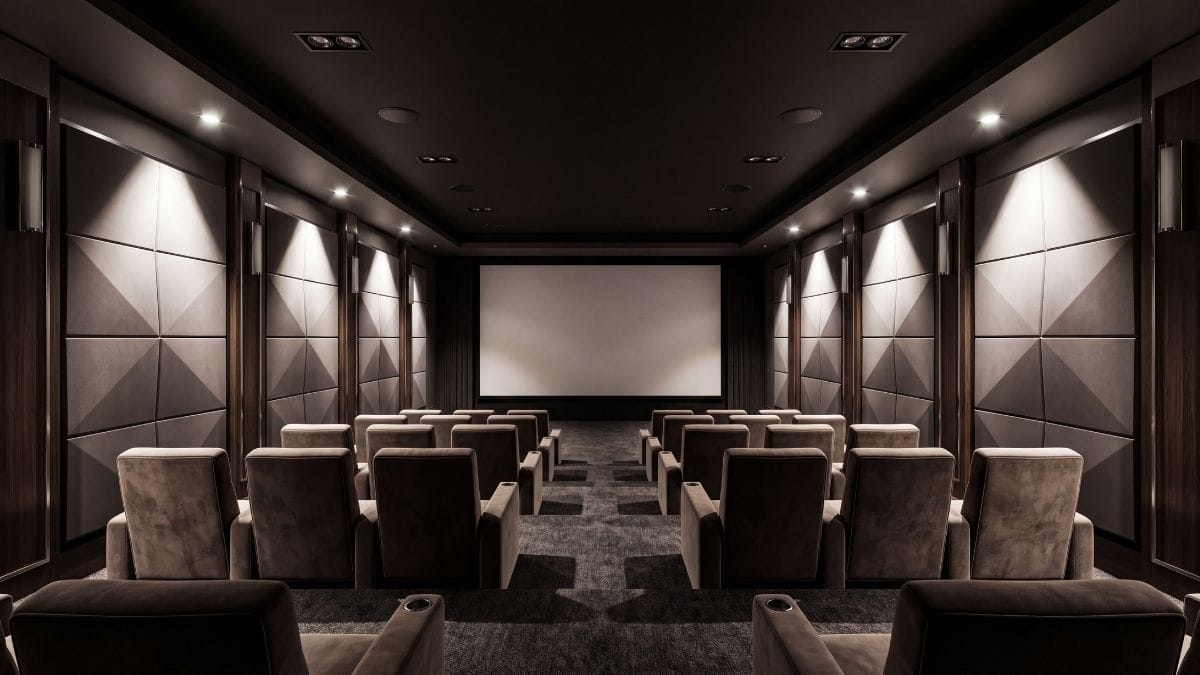
The Cinema Effect
I know this penalty intimately. Like most people, I have many micro-tasks to manage daily that ultimately lead to macro outcomes. If these tasks are linked, I am fine. I can easily lock onto a piece of work and get comfortably absorbed into its rhythm.
When I am in that state, my mind operates in an expansive, almost infinite landscape.
But the moment an unrelated interruption hits, the landscape collapses. It is not a gentle pause. It feels as though someone has violently slammed shut all of my creative and logical filing cabinets at once.
Think of it like sitting in a cinema. You are watching a brilliant film, you are halfway through, and you are highly stimulated by the plot. Suddenly, someone stops the projector, switches on the harsh fluorescent house lights, and cuts the audio. The immersive experience is dead. It instantly becomes a memory.
You are pulled out of your flow state, and immediately forced to carry the cognitive load of a new reality: What is this interruption? Is it quick to solve? Does it need doing now? Am I even the right person to fix this?
By the time you return to your original task, the environment has changed. The energy given to that interruption needs replacing, and you cannot simply press 'play' and expect to re-enter the film exactly as you left it. You have sacrificed a piece of your daily cognitive allowance.
The Fallacy of the 60-Minute Solution
This biological reality makes a mockery of traditional corporate culture, particularly the forced brainstorming session.
We take a group of bright, highly capable people, put them in a room, and declare that they have exactly 60 minutes to engineer a creative solution to a complex problem. But stress and anxiety kill creativity; they do not help it to flourish. True expansive thinking requires psychological safety and a regulated nervous system.
Just because an individual is highly intelligent does not mean they can perform on demand when forced into an arbitrary time constraint. I would much rather operate autonomously and have strategic, highly-contextual conversations with the right people, rather than sit in a forced corporate environment waiting for inspiration to strike on a schedule.
The modern workplace is fundamentally hostile to deep work. If you possess the traits of a hyper-focused leader—whether you identify as neurodivergent or simply as an elite performer—you cannot wait for corporate culture to change.
You have to build your own biological architecture to protect your cognitive cache. Here is the operational framework to stop the mid-day cognitive collapse.